Pause

pause

Back in August, I had set myself a schedule for writing, that I would complete a 1,500 word essay for the first Wednesday of every month as part of an on-going column. I am going to put that on hold for a little while.

The premise of the column Pain and Joy was that I had learned a lot about all sorts of pain that I’d wanted to share, and that I am learning about joy and want to report on that as well. This month was originally going to be a “pain” installment, specifically “The Pain of Existential Dread”. My original thought was to go into the worry and fear I felt when I was suffering from an unknown illness and detailing how that fear seemed to infect my oldest who was then four. So, five years after this originally happened, I felt like things were under control and I had the distance I needed to tackle this subject. However, five years later I am again in the thick of an unknown illness. I am worried, again, about how severe this new illness might be, about how much my quality of life will be diminished, about how drastic the “cure” will be. I am back in the swamp of not knowing, of waiting ages to see a specialist, and of trying to maintain some psychological buoyancy during the process.

My children (and I bet yours, too) are emotional sponges, and when something is off-kilter they sense it quickly and it colors their world almost immediately. Writing this piece right now feels like the wrong move to make. If I weren’t a parent, delving into my dark fears thoroughly and completely could be cathartic. It would be messy and ugly for a good long while, but it would be over and dealt with. Presenting a polished, articulated version of that fear to the world could open up conversations that I would be able then to discuss and I would not feel as alone. If I weren’t a parent.

I am a parent. There is the reality that if I dig deep into the dark places in my mind that it might be hard to climb back out-certainly not quickly enough to be present, completely present, for my children when they need me. What I learned the first time out with an unknown illness and the prospect of a scary diagnosis is that tears and anger are frightening to my kids, but that emotional distance is even scarier. I cannot be so absorbed in writing this right now, and risk that distance.

Also, immersing myself in this story means that for a while no other stories are being told-not the one about how the squirrels always try to eat the face off our pumpkins, not the one about my youngest child’s very first goal, not the one about how we spent all weekend as a family playing Risk, not the one about how our Christmas lists are coming along. The dominant story of “What will happen to me?” would be the one I would get trapped in, and if I’m trapped there, all of us eventually are trapped there. That isn’t really fair.

So, I have decided to pause the column, for now. I may write the next “Joy” installment. I may not. I might write short frothy pieces for a bit, or short cranky pieces. I may just journal. This illness is making life less predictable than I imagined, so I am going to give myself the grace and wiggle room to ignore self-imposed deadlines and goalposts. I am giving myself the luxury to write what and when and where and how I see fit for a while. That, I think, is something healthy I can do for myself and my family now that my health is suddenly, again, up for grabs.

Mothers Always Write

MAW

Hi everyone!

I have an essay published on Mothers Always Write today called “Muffled”.  It is about my younger son and his struggles with speech delays and with not being able to hear well when he was three.  I would absolutely love for you to visit their website at

http://mothersalwayswrite.com/muffled/

They have many wonderful essays and poems through all the years of being a mom.

Thanks!

Kristin

I’m Fine

I'm fine

My oldest had a rough day at school last year. He ended up throwing up in a bathroom and was weaving around the hallways when a teacher who knew him noticed he looked green. She guided him to the nurse’s office and asked him how he was feeling.

He replied, “I’m fine,” in a nonchalant and off-handed manner. The teacher was stunned and amused, because he obviously was not fine. When she later told me the story of how this had all played out she felt so bad for him, but also thought it was endearingly funny. I did, too.

My youngest has a swollen cheek right now, and we think it’s from a six-year molar coming in and there being a little infected gum tissue. Yesterday he told me his jaw hurt, and when I asked if it still did today he said, “No.” I asked him if he was sure and his answer was, “If I distract myself it doesn’t hurt. As long as I don’t think about it.”

A bit exasperated I pressed further, “If you think about it, how does it feel?”

“It hurts.”

“So it does hurt?”

“Sure, it does. But not if I’m distracted.”

I think this is the legacy of having a parent with a chronic illness.

The boys have seen me throw up suddenly and move on with my day. They’ve known times when I was having trouble walking but still stayed with them at the park after school. They know that a lot of the time I don’t feel great, but I cope as well as I can. They say to listen to your body, and I absolutely do, but I have the added dimension that sometimes my body is a straight-up liar. It sends unnecessary pain signals all the time, it tells me I need a nap when really I need to exercise, it tells me I need tons of sugar when that will make me crash harder. So I ignore it. I power through. I tough it out.

The boys have started to do the same. We use the phrase, “It’s not the end of the world,” a lot in our household, that and, “It could always be worse.” We’ve gotten philosophical about pain and illness around here. I think our collective pain tolerance has gone up, unintentionally, and recalibrated. My oldest started out as a toddler who screamed bloody murder at the smallest scrape, and now throws up and claims, “I’m fine.”

But, surprisingly, now my boys also trust me when I tell them that they should probably stay home from school, or see a doctor, or get a flu shot. They used to try to tough everything out, going to soccer practice with a fever or pushing and crying for a playdate when they had been up coughing all night. They don’t do that anymore. It doesn’t seem heroic, it seems like suffering unnecessarily. Maybe they’re just older and wiser. Or maybe it’s because of what they see.

They see me nap, and rest, and exercise, and check my blood sugar, and prepare healthy food. Taking care of yourself when you are really too sick to power through is absolutely normalized. This is life, this is what people do. We push on when life isn’t that bad, when “it could be a lot worse”. When it gets worse we stop and rest and give our bodies a chance to catch up.

Since I have been having such a dysfunctional time of it with my body, I worried that the boys were going to end up with a dysfunctional relationship with their mostly healthy bodies. One day they will be the only ones monitoring the state of their health or illness. They should be off on their own some time ten or fifteen years from now, without a mom to check up on how they really feel. Luckily, I think we are inching towards balance, and I think that is because they have a sick parent, not in spite of it.

The Joy of New Clothes


New Clothes

“Nicholas just opens his drawer and takes whatever shirt!” Christopher is incredulous that his older brother, the one he looks up to, the one who was his first hero and the first person who was able to make him laugh, would be so cavalier about what he would wear.

Nicholas truly does not care much about clothing; his daily uniform of t-shirts and track pants changes only on special occasions, when we might be able to get him into jeans and a sweater. Even when he asserted his independence as a toddler, he truly didn’t fight us in the arena of “what to wear”, even though he was a fierce competitor in every other way. So, as he grew through to the eight-year-old he is today, we decided to take advantage of his not really caring all that much. When we go clothes shopping we have a plan that involves multiples of the basketball shorts, track pants and t-shirts he likes to wear. We hit one store for about an hour and a half every six months. Done and done.

Christopher gets these hand-me-downs, an extensive collection of not really well-thought-out, functional but not fashionable, interchangeable clothes. For a while he seemed to feel okay about them, as they were comfortable and usually were decorated with cartoon characters he liked. Then it wasn’t okay. Then came the showdown.

It was before a gymnastics class in the dead of winter. With polar vortexes and sub-zero temperatures, we would layer up like crazy before heading out somewhere. That particular day he had on thick socks, boots, long track pants, a long-sleeved t-shirt, a hoodie, a double-layered overcoat, a hat, a pair of gloves and a scarf.

Once inside the too-warm gym, (an environment well suited to keeping muscles from cramping and keeping little girls in leotards from getting a chill, but horrible for wearing sweatshirts) he took off his jacket and gloves but would not take off his hoodie. The flow of our morning stalled, and I was not thrilled about the ramifications of his refusal. Christopher can be incredibly stubborn, and we had been having a long winter of uneasy truces. I was picking this battle, and would see it through.

He crossed his arms and just stopped. I began by joking, “Christopher, you need to take your hoodie off, you silly goose, or you’ll roast to death during class!”

A grunt.

“Christopher, you are going to feel too hot and get too sweaty.”

Another grunt.

“Christopher Wagner, you are not going in there with that sweatshirt on, I am not going to let you.”

An anguished growl half under his breath.

“That is it! I have had enough! Why in the world won’t you take off your sweatshirt-you do every other class, every other time, what is going on with you today? And we’re not going to just stand to the side the entire class. You have one more minute to take that off or we are going home, young man!”

Tears.

“Are you taking off that sweatshirt?”

“NO!” He finally answered me in a yell. I grabbed his jacket and started feeding his arms through the sleeves, and silently sat at his feet shoving feet into boots. With a tense, almost whispered, “Get up,” from me, he got up. I zipped him, grabbed his hand and went out the doors. He didn’t protest leaving, and he tends not to. Christopher is fatalistic and grim when he accepts his fate, when he decides that he would rather accept the consequences of his stubbornness than acquiesce. I will say this for him, he has some sort of internal integrity that will not allow him to buckle under threat of missed classes, or no dessert, or zero screen time unless he knows he’s being ridiculous. When he sticks to his guns, I know it is very important to him. Once we got back to the car, I kept quiet and used the silence to cool off and hear myself think. After a few minutes, I ask him more gently, “Why, child, why? What was that all about?”

Finally unclenching he gave me an answer, “I don’t like football.”

What football had to do with anything I could not figure out. Then I realized that in a rush I had grabbed clothes for him that morning. We had little time to quibble about what he might or might not want to wear, so I ran upstairs, grabbed his brown track pants and the only brown shirt that went with them. The brown shirt had orange cleats on it and proudly proclaimed just one word in all caps “FOOTBALL”. And apparently my youngest does not like football.

And apparently he is very, very tired of misrepresenting who he is and what he likes. Because his options are limited to what his older brother liked just well enough to shove into a shopping cart two years ago, Christopher has had to lie about who he was. Our clothes communicate for us, and Christopher couldn’t take this miscommunication any more.

My husband, Greg, was the third of four boys and said, “Yeah, hand-me-downs save a lot of money, but it does stink. I never had new clothes, except for family pictures when Mom wanted us all to match. Let’s take him shopping, let him pick out things for himself.”

I introduced the idea to Christopher, and he was smiled and covered his mouth with his hand and then squeaked out, “Really?”

“Really.”

As we all stepped through the doors of a department store, Greg suddenly remembered, “Oh wait, guys. I need to get a couple of new dress shirts, can we head over there first? Then we’ll go to the kids section?” He looked to Christopher for the okay. Christopher nodded in agreement. The boys and I wandered around racks of leather belts and blazers while Greg held up a windowpane patterned shirt and asked, “Is this too much? Should I get it in a different color? Or the same color but a different pattern?”

Christopher found the tie rack and his eyes widened. He touched the vibrantly colored ties gently and showed me a swirl of color here or polka dot pattern there. Greg’s attempts to pick a shirt were interrupted with, “Daddy, you should get this one!” and “Daddy, you should get that one!” Christopher wanted so much that someone, someone he knew, would get to wear these beautiful, soft pieces of fabric he couldn’t contain himself. When Greg politely skirted the idea of buying ties one too many times, Christopher sighed quietly, “I wish I could use my money to have this.”

Wasn’t that why we were here in the first place? To get for Christopher clothing that he loved, that he wanted, that he felt wonderful in? I bit my lip trying not to smile too broadly and scare him away and said, “Sweetie, do you know that they make ties for little kids? And dress shirts, too? Do you want to go look for those?”

There have only been a handful of times in Christopher’s life that I have seen his face light up the way it did in the midst of the menswear section that day. A new possibility flashed into his consciousness that had seemed remote and unattainable before, and now he was told that not only did these clothes exist, but that he could get them for himself right then. There would be no waiting to see if a better coupon came in next week, no declaration that he probably didn’t need any more clothes because he had enough. I took his hand and guided him to the boys section of clothing, wooshing past the hoodies and track pants and athletic-themed t-shirts and right to the dress clothes put out for Easter. “Here we are!” I declared triumphantly and here we were.

We loaded our arms with multiple colors of dress shirts, a bouquet of clip-on ties and a couple of pairs of slacks and marched right over to the dressing room. I felt nervously excited as I helped button him up, as I tucked his shirt into his pants and clipped on his tie. He stepped back for a moment, looked himself over top to bottom and smiled, a huge, broad, unbelievable smile. He was amazed with himself, with the transformation he had gone through in the space of a minute. He pouted his lips and grabbed the knot of the tie with one hand, the length with his other and straightened it saying, “Men do this.” I covered my mouth with my hands and let my eyes keep smiling at him, “Yes they do, they do that.” A moment later he straightened his shoulders and said proudly, “I look like a scientist.” I suppressed a little laugh because I didn’t want him for a second to believe I was laughing at him, but my heart was jumping out of my chest. I had not realized that he had been quietly studying the clothing of the grown men around him, admiring how they held themselves and what their clothes represented. I hadn’t realized how completely happy he would be to wear that himself.

We left that day with white undershirts, three dress shirts in light blue, burgundy and white, five different ties, a pair of black slacks and a Lego watch, because his new mature look would have been incomplete without a watch. We left the store with a very, very happy five-year-old.

I Overdid It

Overdid it

I overdid it.

I was suddenly gifted six hours a day where child-care wasn’t my primary objective. For the first time in nearly nine years, I was responsible for the well-being and care of my offspring for only eight hours of the fourteen they are awake each day.

Or, as someone else might reference it, both my kids are in full-day school.

I absolutely did not want to squander this opportunity to do everything, everything, I have been meaning to get done for the last nine years. And apparently I thought that all should be accomplished within the first three weeks of the very first school year that this free time has appeared.

Goals, dreams, accomplishments: I would soon have them all within my grasp!

  • Showering every day-Check.
  • Exercising every day-Check.
  • Writing every day-Check.
  • Taking care of e-mails and phone calls in a timely manner-Check
  • Putting things away so that our house looked less like a clutter-bomb exploded-Check
  • Making a healthy breakfast, lunch and dinner-Check.

They were good goals, attainable goals. But then I got greedy for more: more polish, more perfection, more poise. I have all this time now, don’t I? Shouldn’t I be capable of all these things and more? What, with all this free time and what-not. So I began adding to the to-do list, the accomplishments I needed to have under my belt by pick-up time.

  • Showering every day AND drying my hair AND shaving my legs AND moisturizing AND putting on make-up AND putting on a flattering outfit.
  • Exercising every day-but in order to count it has to be new and challenging and has to keep my muscles guessing and be intense and must lead towards the goal of becoming ATHLETIC.
  • Writing every day. Writing blog pieces and long pieces and cover letters and author biographies. Submitting to as many publications as I could. Researching and reading the archives of every respectable magazine I can get my hands on.
  • Taking care of e-mails and phone calls that both include current issues and issues one, two, three months out.
  • Putting things away, scrubbing all the floors, dusting every room, washing all the sheets and the pillows, going through the closets, cleaning out the car.
  • Making healthy breakfast, lunches and dinners, snacks and treats AND making the outrageous claim that I would try to make sure we never had fast food on a soccer night (which, by the way, is four out of five weekdays).

I bought blush for the first time since my wedding eleven years ago. I doubled my exercise sessions and tripled the steps I take in a day. I decided I should make the one free weekday afternoon I have with the boys a cookie-baking day, just because my youngest loves baking and we never do it and WHY NOT, I’VE GOT ALL THIS TIME TO MYSELF NOW!

And I am burned-out.

I forgot that I still take care of the boys at least eight other hours a day. I forgot that my husband still travels for work almost every week. I forgot that I have multiple chronic illnesses (hypothyroidism, fibromyalgia and hypoglycemia) that I have to carefully manage. I forgot that I was human. That I might have a bad night’s sleep, or a disappointing setback, or a moment where my body has just given up on me, or a minor argument, or even a just a pimple.

I seemed to think that this extra time to myself was a magic wand. If I coupled it with diligence and effort and not being afraid of planning and experimenting and rolling up my sleeves, I would be unstoppable.

Yep. Except for writing this, today I am pretty well and fully stopped. It’s a high pain day, and my hands and feet are cramped and curled up on themselves unless I push them flat. My head is pounding and my shoulders won’t un-hunch. My body likes to remind me when I’m being a bit foolish and unrealistic.

My body likes to tell me when I am being too hard on myself.

So, I’m going to try to find a few of those six hours today to rest, and regroup, and take a deep breath. Why not? I have all this time to myself now.

The Pain of Not Being Able to Communicate

donut

This is the second installment of my column Pain and Joy.  I plan to continue on with it the first Wednesday of each month, so wish me luck!

Christopher, Nicholas and I sat on the couch, their pointy elbows pressed into my ribs, and their pointy chins digging into each of my shoulders as they tried to crowd in to get a better look.

“How come Christopher is always so cute in pictures, and I’m not?” Nicholas wanted to know.

“Kiddo, this album is from 2011, and you would have been four – that cute kid is you.”

Nicholas looks sheepish and pleased with this realization, but also surprised, “I was so little!”

“Hmmm, yeah guys, this is Christopher,” I point at a picture of a toddler with impossibly chubby cheeks sitting in a red plastic wagon, “He would have been one and a half here.”

Christopher, so mature and lanky at six years old, lets out a squeal over how cute he was, while I notice a pattern to our pictures. “Hey, what’s up with you, here? In every other picture you are completely crabby!” Actually, in three out of four pictures he looks either completely unimpressed with life or, as Thomas the Tank Engine might say, quite cross.

Giggling hard he gasps, “Why was I so angry?”

“I know, right?” I goof with him, flipping pages rapidly, “Cranky, cranky, cranky, happy! Cranky, cranky, cranky…”

When Christopher laughs now his cheeks still get round and full. He’s now laughing so hard that he is slightly out of breath and…

“Happy!”

He lets out a long sigh and wipes his eyes.

I didn’t realize how much of his unhappiness from that age would have come through in those pictures. I do know why he was angry, or rather I can guess. Long past when he should have started, Christopher either couldn’t, or perhaps wouldn’t, talk.

Christopher was, and is, wonderfully adept at reading people’s faces, at discerning the tone of their voices and at understanding the nuances of gestures. As a toddler he could express himself non-verbally almost perfectly. His body language transmitted his mood exactly, and he brought his whole body into sadness or frustration or manipulative charm. He knew to direct your eyes to where he wanted you to look by staring you full in the face, and then directing his gaze at what he wanted. His sighs and squeals and yells were unmistakably clear, but that was it. He didn’t babble. He only had one word by the time he was two.

I knew he was angry that he couldn’t get us to understand what he meant or what he wanted, or more importantly, needed. We would begin a ridiculous guessing game. It was a lightening round of 20 questions, where I would survey the situation, scan my memory for what he would be most likely interested in, and ask a yes or no question. I hoped like hell that I asked the right one before his frustration detonated. If he shook his head “no” too many times steam would practically pour out of his head before he began stomping his feet, and I would frantically try to get it right before he would collapse in a sobbing heap on the floor in utter hopelessness. Or his tantrum would be quieter, with him simply stopping in his tracks, refusing to look up and refusing to walk forward another step.

Christopher began speech therapy after he turned two.

The Halloween he turned two and a half, I had been wondering out loud what his costume should be. I had grown accustomed to making these decisions for him, as he rode quietly in the seat of the shopping cart. I picked up a little faux leather jacket and muttered to myself that he could be a rock star. Christopher paused in what he was thinking about to focus his eyes on me and said very, very clearly, “Dog.”

I was stunned. This was the first time, the absolute first time, he was able to calmly express that my ideas for him were not the ideas he had for himself. Just one word, one syllable; the access to that one word gave him power. That one word gave him the ability to feel secure in his message, to feel secure enough in his ability to be understood that he didn’t have to scream. He didn’t have to cry. I didn’t have to guess, and guess wrong. I blubbered, “Of course you can be a dog! Of course you can be a dog.” He smiled, a very quiet serene smile.

Christopher turned three in April, and the volume of the words he could use had exploded. At his meeting with the school district, the evaluator said that he was no longer delayed, but he could continue with the program for pronunciation help and emotional support. His tantrums were no longer something that dominated our days, though he still didn’t have quite enough words to communicate everything that went through his mind, so they did still happen now and then.

In May, I brought the boys over to my parents’ house to visit and tell my mother that they loved her, now that both of them could. I dropped them off at my in-laws to stay the night, as my father and brothers and I would be helping Mom through open heart surgery the next morning.

When Mom’s surgery was successful, and after she had been in the recovery room for the initial few hours, we were allowed to see her, two at a time, in the ICU. I don’t remember who went first. I know Dad was one of the first two, and then maybe one of my brothers Scott or Matt or Anthony. She was not awake the first time I saw her. The second time I came in I know Matt told me, “She seems happy when you hold her hand.”

So I did, and as I held her left hand I thought about what she might be feeling. Her face was flushed and scrunched and looked distressed. I wondered if she felt anxious about the breathing tube still being in place. I wondered if she was feeling pain from the incision, or if she felt worried about her Parkinson’s meds being off, or if there was a part of her that felt scared or lonely. Then she tried to wriggle her fingers out of my hand. At first I held tighter. She seemed to be trying to break free of my grip, and I chastised myself that perhaps I had been patronizing and she didn’t need my hand.

Confused, I then tried to release my hand, and Mom, with limited motion because of all the equipment attached to her, waved it back and spread it open. She traced something on the palm of my hand, and I looked up at her face with surprise, “Are you trying to write something?”

She blinked her light green eyes so deliberately I knew she was nodding yes.

“H…” I would look down at my hand to make sure that the letter I felt was what the letter actually looked like. I had so many years of practice when she would trace the alphabet on my tiny back and I would proudly tell her that I knew what she was writing. As I said each letter I looked up at her face to confirm I had gotten the letter right.

“O…T. Hot?” I looked up at her and with a softening of the tension in her face she indicated yes. Just one word, one syllable and her power came back. I wrenched myself away from the soft fuzzy imaginings of what she might be feeling, and was able to focus on the practical things that needed doing. My ideas about her were not the ideas she had herself. I played twenty questions with mom, “You feel too hot? It’s really uncomfortable?” Then I would ask the nurse, “Can we remove that blanket? Is this normal to feel so hot?”

By then I know Anthony was in the room with me, and I would call out letters to him so he could help me string them together coherently.

“T…A…P…E”

“The tape is bothering you? The nurse says we have to keep that on, its holding the breathing tube in place, I’m sorry.”

“I…P…O…D”

“Oh yeah, the soothing meditation sounds for afterwards. We’ll get that set up right now.”

“C…A… wait I missed that one, you have to slow down a little because I can’t keep up…H…B? Okay Mom, the nurses need to you to relax for a little while to get deep breaths to get your oxygen levels up.”

When Mom breathed deeply enough, she would fall asleep and her oxygen levels would drop, which meant waking her up again. I explained the situation to her and she wrote in my hand one more time before I was shooed away. I was so tired I couldn’t catch it. “Tell me later, Mom. You can tell me later.”

Later on she told me with a smile, “I’m surprised you didn’t get that one. I was writing ‘Catch 22’ joking about what the nurses wanted me to do with the breathing.” I smiled back at her and apologized for missing it.

The same way I had apologized so often to Christopher, “I’m so sorry I didn’t understand you.”

Standing Still-A Free-Write Response

Literary Mama had a free-writing prompt today asking, “Consider how you make space and time for stillness.  How do you slow down?” I decided to free write today, to answer that question for myself.

pizza

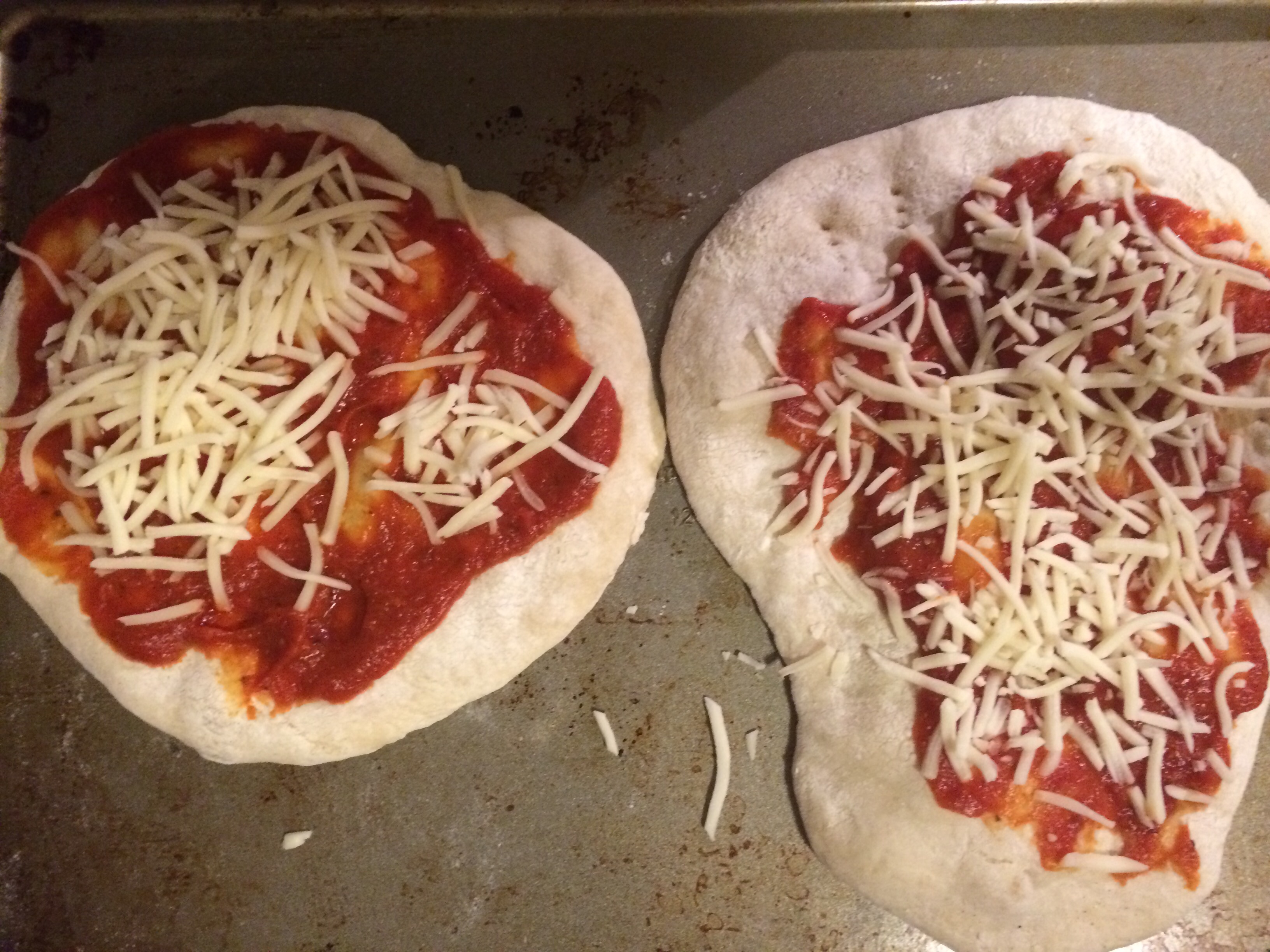
Home-made pizza is what makes me slow down. It is a ridiculously slow process for something I can get other people to bring to me, hot and ready, for a really nominal fee. I live in such a busy suburb of Chicago I can even get deep dish pizza delivered within the half hour. But scheduling in homemade pizza as a dinner is my way of saying to myself, “We are not bound by deadlines today, we are not going to try to make, eat and clean up from dinner in thirty minutes so we can rush off to do God knows what else that seems more important than just relaxing.” It takes time to knead the dough, to let it rise, to roll it out, to get everyone’s apron on and off, to let everyone put their own toppings on, to take pictures of the pizzas before they cook (always) to clean up the four cookie sheets and one glass bowl we need to use, to wipe down the flour-covered counter and floor and to let the piping hot pizzas cool off enough to eat. We eat on a blanket in front of the TV. It is a signal. We do not need to rush every moment of our lives. We have a luxury of time we either don’t admit we have over fears of looking too privileged, or don’t use because we fear we’ll be the only ones. This is a signal that the world doesn’t need to swirl around us, that pausing and taking unnecessary time together is necessary.

Pain and Joy

willis tower

This essay was intended as the beginning of a monthly column, a pitch for a well-regarded online literary journal.  As I mapped that series out, I decided that these were ideas I wanted to write about regardless of whether they were accepted and published elsewhere.  They weren’t picked up, which is disappointing, but I’ve decided that the first Wednesday of each month will be when I continue the column for myself.  That’s my intention, at any rate, and we will see how that goes.  Thanks!  

My two sons, Nicholas and Christopher, are eight and six respectively. My chronic illness began when Christopher was just a year old, so by all accounts they have known a mother with pain far longer than they have known her without.

The first blood tests were drawn out of my fat, left-arm vein when Christopher was still small enough to fall asleep in his car seat and was portable like a piece of awkward and heavy luggage. Nicholas was squirmy and independent at three, and I couldn’t trust him to not run through the parking lot if I let go of his hand. Christopher swung from my left arm and Nicholas from my right, and I shouldn’t have gotten the three of us from the doctor’s office to our car that way. I bruised an ugly purple in the crook of my left arm later that night.

That was the beginning. Tests for diabetes and allergies and rheumatoid arthritis followed, as well as screenings for ovarian and colon cancer, and an MRI to look for multiple sclerosis. I was eventually diagnosed with fibromyalgia: a disease of exclusion. The answer to my near-constant pain and overwhelming exhaustion was a non-answer because fibromyalgia has no known cause and no cure. The term “fibromyalgia” might really be an umbrella over several linked but separate illnesses, or it might have its own pathology that hasn’t been discovered yet.

For at least five years I fought every day to mitigate the pain I felt and the pain I thought I might be causing them by being a mother who sometimes couldn’t. I fought to minimize our pain as a family and that became my full-time job. I was a stay-at-home mother for both Nicholas and Christopher their wholes lives, but my real work was to track down the root cause of why any of us were hurting.

I have become very, very good at spotting pain from a distance of space or time. I can hear Christopher’s tone of voice change across an entire playground if he is starting to get so agitated that he might hit a friend, and I know that once we have missed three nights of bedtime stories in a row Nicholas’s shoulders will round and slump in defeat and loneliness. I am honed in on pain, and aggravation, frustration and tears and the fleeting expressions that betray those emotions. This was something I could do, I could see pain as clearly as I could see the color of someone’s hair. This was a way I could still help, even from the couch. I had information about how to mitigate pain in many different forms, from migraines and cramping muscle spasms to loneliness and perfectionism. What I didn’t yet know, I found out. What I did wrong, I corrected. What I knew, I shared as often as I could. I found a way to contribute.

Over time, one of my symptoms became more severe. It wasn’t so odd that suddenly my limbs felt like they were filled with sand, but it was odd that it was happening so often. A feeling would come over me that I could not keep my body upright and that I had to lay down immediately. When I realized it was often after I ate, I researched that combination. Reactive hypoglycemia seemed to be the reason why: after eating too much or too much of the wrong foods my blood sugar would spike too high, prompting my pancreas to produce too much insulin which would make my blood sugar sink too far down. Since I have done stranger things than eating small regular meals and avoiding sweets, I decided to try a hypoglycemic diet.

More good days than bad, was how I had been describing my fibromyalgia. But the good days still included wild fluctuations of anxiety and depression. The good days still might mean that I fell asleep on the couch for an hour when I didn’t even realize I was tired at all. The good days meant that I didn’t growl all through soccer practice, but I might growl a lot when the boys took too long in the bathtub afterwards. Then a bad day included a Mother’s Day where Nicholas asked me over and over again what special thing I wanted to do and eventually I hissed at him, “I don’t feel well. I don’t know if I’ll still feel this bad all week and I cannot afford to feel bad all week. It’s my Mother’s Day, what I want is to clean up the kitchen, to put the laundry away, to take care of chores now. I want to know that we’ll be fine for the rest of the week. That is what I want. Is that all right with you?” Something had to change.

I changed my diet, and I felt good. Actually good. It lasted longer and longer. I felt better and better. My good days now included spontaneously taking the boys to the pool and not experiencing the gnawing fear that I wouldn’t have enough energy to now make it through the day. My good days meant fourteen hundred words of writing in one morning, when fourteen hundred would have been a stretch for an entire week. My good days meant I could tickle Christopher and wrestle with him and not hide the tears that would have normally stung my eyes seconds before I would have had to tell him, “I’m so sorry, but I can’t anymore. I’m hurting too much.”

I had lived so long mitigating pain and had become so adept at devising strategies to cope, it was the skill I had honed the most. It was a skill and a body of knowledge I shared with my family and shared with friends and shared with strangers. It became a constant in my life: seeing and helping to ease pain. That was primarily what I did, all day long.

All that time I was a student of pain I wasn’t necessarily a student of joy. I felt fairly certain that joy was, for me, obtainable only in small measures, and I felt content looking for it in small places. On a daily basis joy meant, simply, less pain. If I could achieve that for myself or anyone else I was happy that the limited amount I could do, I did. Now I have passed that limit. I feel much, much, much better. A part of me feels guilty that I do. A part of me wants to learn joy.

I want to share with you what I have discovered about pain. I don’t want the five years I spent in pain, the majority of my children’s lives, the primary hard work I did during that time to become lost. There are times and situations where less pain is the only joy you can reach for today.

And I want to share what I am learning about joy. Because I want to share joy.

Night Light

My audio recording of Night Light

Dusk

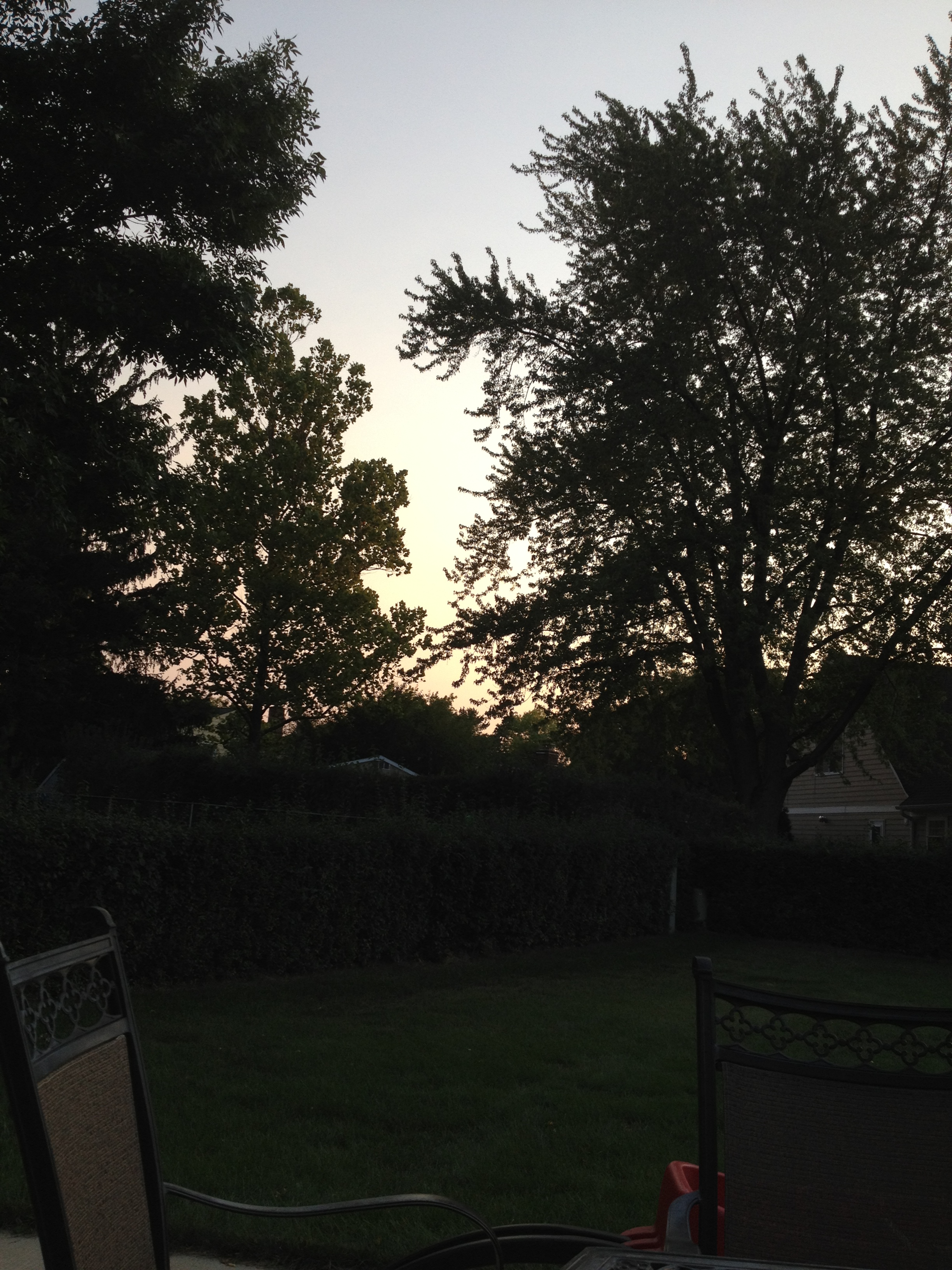
Darkness, the way night makes the edges of things indistinct and brownish-grey, is something I experience most often within the walls of my own home. Children who need to go to sleep by 8:30 and a husband who travels nearly every week mean that night is something that descends gently outside our windows. It does not fall on us while we are sitting on a terrace, enjoying the end of a restaurant meal. It does not surround us as we walk down city streets, or hike through woods. Even in the winter, when the sun dips below the hedge-line of our backyard before dinner, cold keeps us in and cozy. Night does not often fall on us somewhere other than our house.

Which is what makes memories of bonfires on freshwater lake beaches stand out as unique, both as a child and as an adult.

I remember being only six or seven when I was encouraged to try roasting my first marshmallow over a bonfire. The small circle of light cast over the grassy sand only reached the feet of the adults who were watching us. They sat back in lawn chairs, their faces obscured by shadows unless they leaned forward to peer at us more closely. I kept darting carefully between the fire and the adults in that circle of sand, amazed that I was holding a stick over fire without grown-up hands holding on as well. My legs were still bare in shorts, but a sweatshirt helped keep the chill off when I would venture further away from the glowing heat.   I asked again and again if the marshmallow was cooked enough because I wanted to do a good job of it, until one patient grown-up who became tired of leaning forward so often to see a still bright-white confection explained that when it was “golden brown” it would be done. I remember nodding my head not really sure what color that was. As I left it in a little longer, and a little closer to actual flames, I got to see it for myself and understood.

With the adults’ faces hidden and their voices hushed I got the first sense that, while they were there if something happened, I was alone to think and discover and learn without them. The glow of this small space in such a large darkness was enough. Even with an entire universe unknown, there was safety being alone in it as long as some light remained.

A few years ago we went to a family reunion on Kentucky Lake, and one of the nights we had a bonfire on the beach.

My older son was only six at the time, and afraid of many things. I saw him come close to the fire, then retreat with his father just feet away from the light. They were swallowed by darkness quickly, and I could hear their voices trip down to the water’s edge and come back. In that short trip, with my son only reassured by my husband’s hand holding his, he accomplished something big I didn’t know he could. He walked through unknown places without fear; he even felt a frog jump onto his foot and didn’t panic. In fact, he was excited to report what adventure had happened in his short absence from my sight.

I stayed in the sand with the littler ones, including my younger son who was four. We stayed a little ways off from the fire, but made our own circle of light with glowsticks. Preschoolers, with parents just out of the cast of pinks and greens and oranges and blues, sat with me and buried their glowsticks in the sand. They retrieved them and would bury them again, checking how far beneath the surface they could plant their treasures before they were completely obscured. They threw them and chased after them, holding so loosely onto the only light they had. Even in the daylight I couldn’t necessarily figure out who belonged to whom, which children went with which adults. I made sure to lean forward so they could see my face and I could see theirs and then tried to let myself feel safe that other adults were circled around us in the darkness. That they were still watching us even if we couldn’t see them as clearly. No one would really be lost in the darkness for long, even if they danced on the edges of it. Though it looked like I was the only one keeping an eye on the children in the circle of light, I wasn’t.

I knew as a child, and as an adult, that a safe presence can still be there even if it is unseen.

Becoming a Hobbit This Summer

I haven’t posted much for June, and I apologize. Things have shifted and changed around here with the seasons.

Our peonies came and went, huge fluffy pom poms of pink that were delicately soft for being so big.

I swore like a sailor when I found standardized testing “practice” workbooks in the usual end of the year backpack debris field. They were brand new, and I suspect the school wants us to use them. I growled, “I taught, if I believe that you sitting down to do these workbooks is more educational than the other things we plan to do this summer, we will do them. If I don’t, we won’t.” And so far we haven’t.

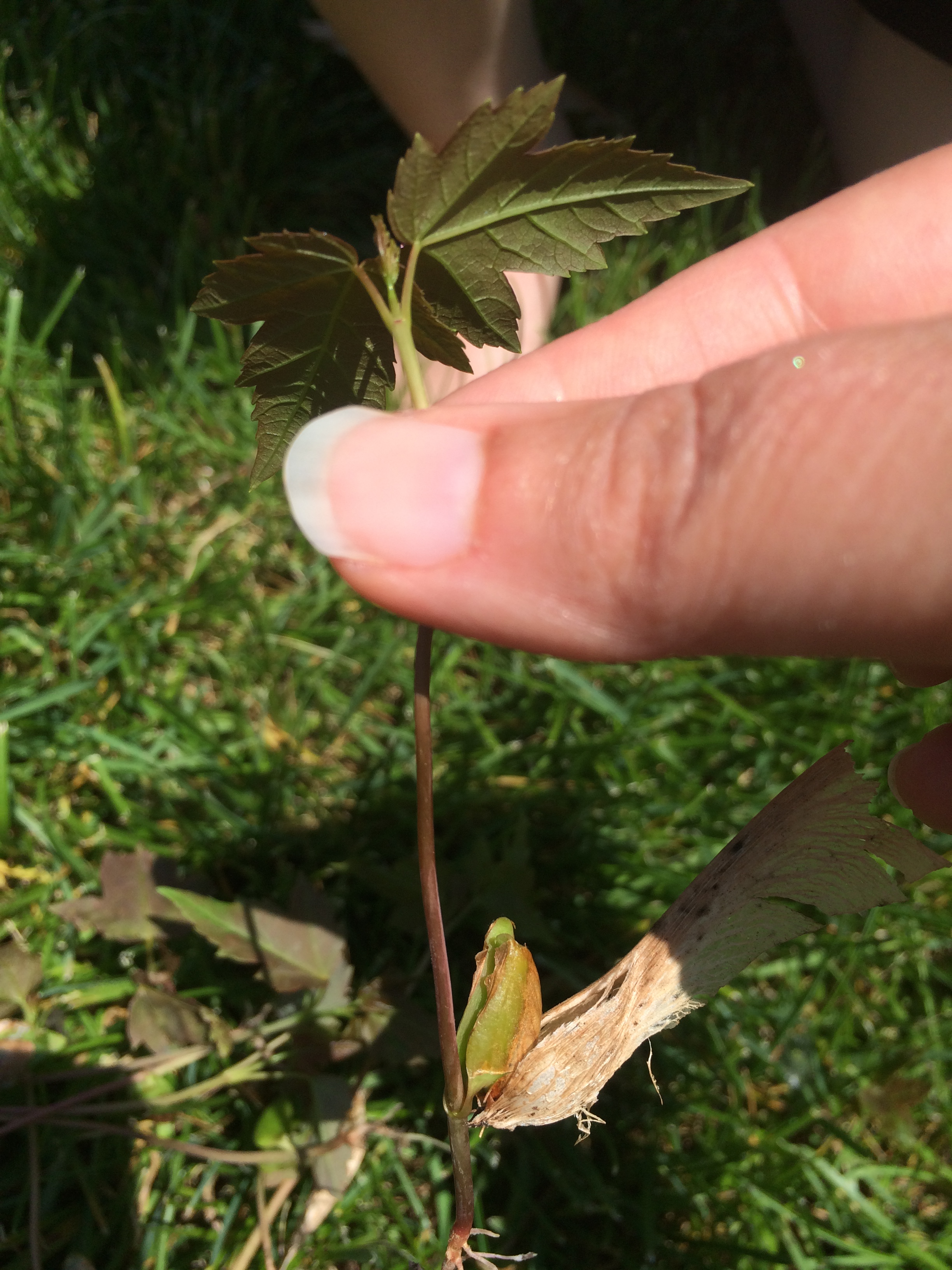
The boys and I have been very busy sitting in the grass, plucking little maple seedlings out of the lawn to see if the helicopter seeds are still attached.

maple

There are thousands of them, confirming my belief that if we all abandoned our houses, this whole neighborhood would be a forest in just a few short years.

We planted a garden and rabbits managed to eat our parsley. However the basil, cucumbers, and a variety of heirloom tomato the boys picked out only for its name “Mr. Stripey” are doing just fine. Oh, and so are the yellow tomatoes we planted named, like a character out of West Side Story, “Lemon Boy”.

Other changes have happened with my health, negative at first, then positive. Near Memorial Day I realized that while I always feel tired, I was falling asleep more and more often right after eating. It would be a swoon, almost a faint, where my body felt like lead and I couldn’t hold myself upright a second longer. It looked more and more like reactive hypoglycemia, a problem my doctor had casually mentioned years ago in passing, and one that fit my patterns of fatigue and anxiety almost exactly. In this condition, if you eat too many sugars or carbs at one sitting without enough protein or fiber, your blood sugar spikes dramatically and too much insulin is sent in to deal with it. Consequently, your blood sugar then drops too low causing jitters, anxiety, extreme fatigue and sometimes a confusion that seemed suspiciously like when I would experience “fibro fog”. I’ve done crazier things for my health, so I didn’t hesitate long to try a hypoglycemic diet designed to keep your blood sugar stable throughout the day. You eat every two to three hours with low carb, high protein, high fruit and vegetable but small meals. No sweets, no caffeine, no alcohol.

paleo casserole

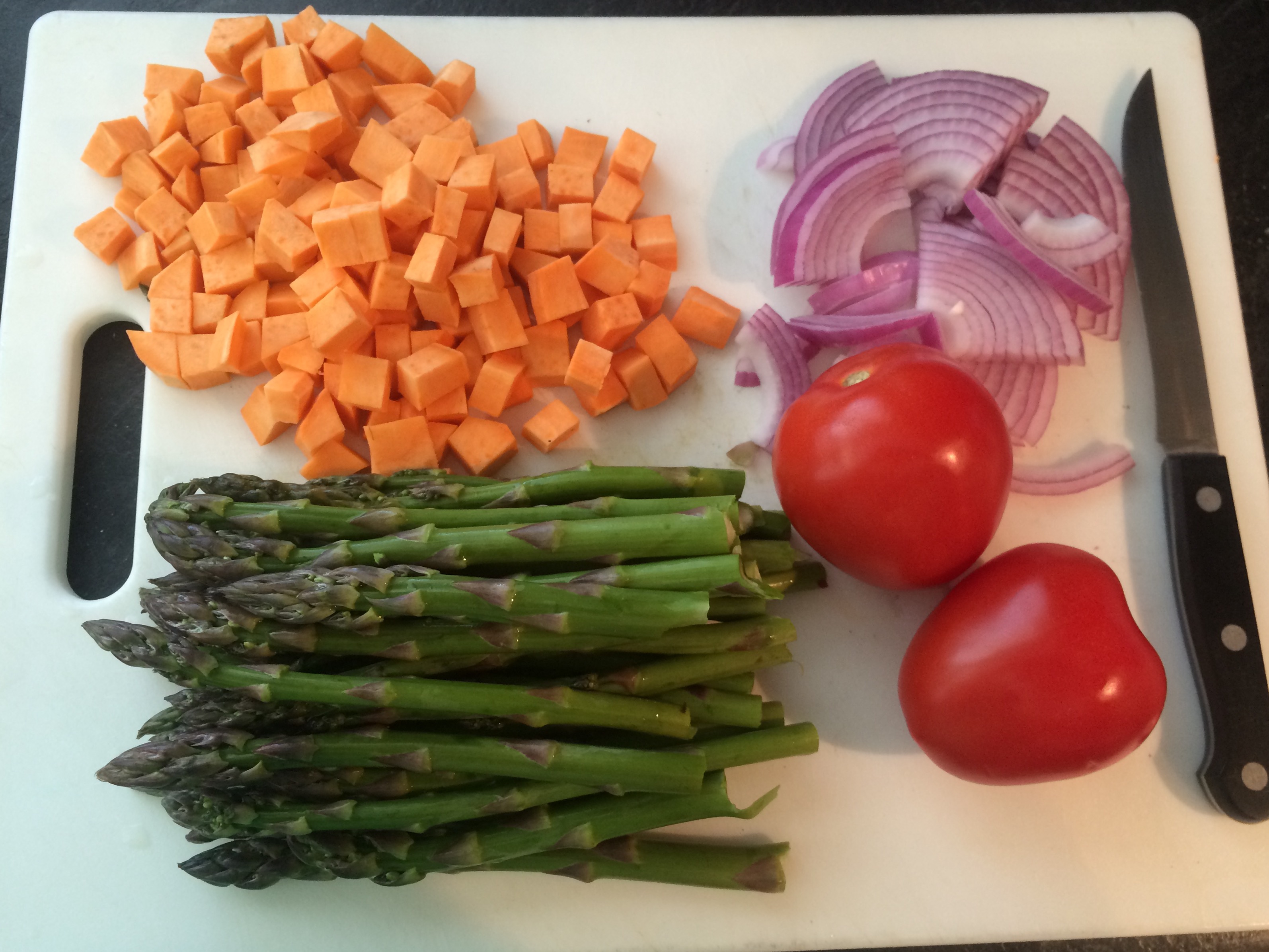
I feel a lot better. When eating perfectly balanced meals seven times a day is less of a hassle than the symptoms you were dealing with before, you know you may have really been sick. When spending a day of the week making a paleo egg breakfast casserole and roasting chicken and assembling salads and taking a short break to snack on hummus and carrots actually seems like it is a bargain for all the energy you’ve gotten back, maybe you really did have a blood sugar problem.

With this change, something else has happened since the seasons have changed that I never thought would. I have been able to take the boys to the pool, and parks, and to tennis courts, and for hikes around our ponds without the fear that it would be too much. That I would get so scared for them that I would limit what they were allowed to do. That I would become an emotional wreck and start yelling at them unnecessarily in public. That I would feel so sick that I would throw up, or need to collapse, or need to rush home. We’ve spent years, and years, doing not a lot because I just couldn’t.

While I tried to focus on all that I could do, that we could do, it wasn’t nearly as much as other families could. If we went to the zoo with you, or a splash park or a playground and I seemed breezy and happy-go-lucky and fine, some part of that was always a benign lie. Getting through that outing was usually a day or so of planning to make sure it went smoothly and weighing whether the time and energy it would require was worth it. The day after was spent in recuperation, getting either my anxiety back in check or my body, all the while having to tell the boys “no” over and over until I felt well enough to handle the process again. If we did make it, know that I had weighed that it was worth it, that the pain I might have gone through to have that experience was one I said “yes” to, and I absolutely meant it. That part was sincere, if it looked like it was a light and casual thing, that part was not.

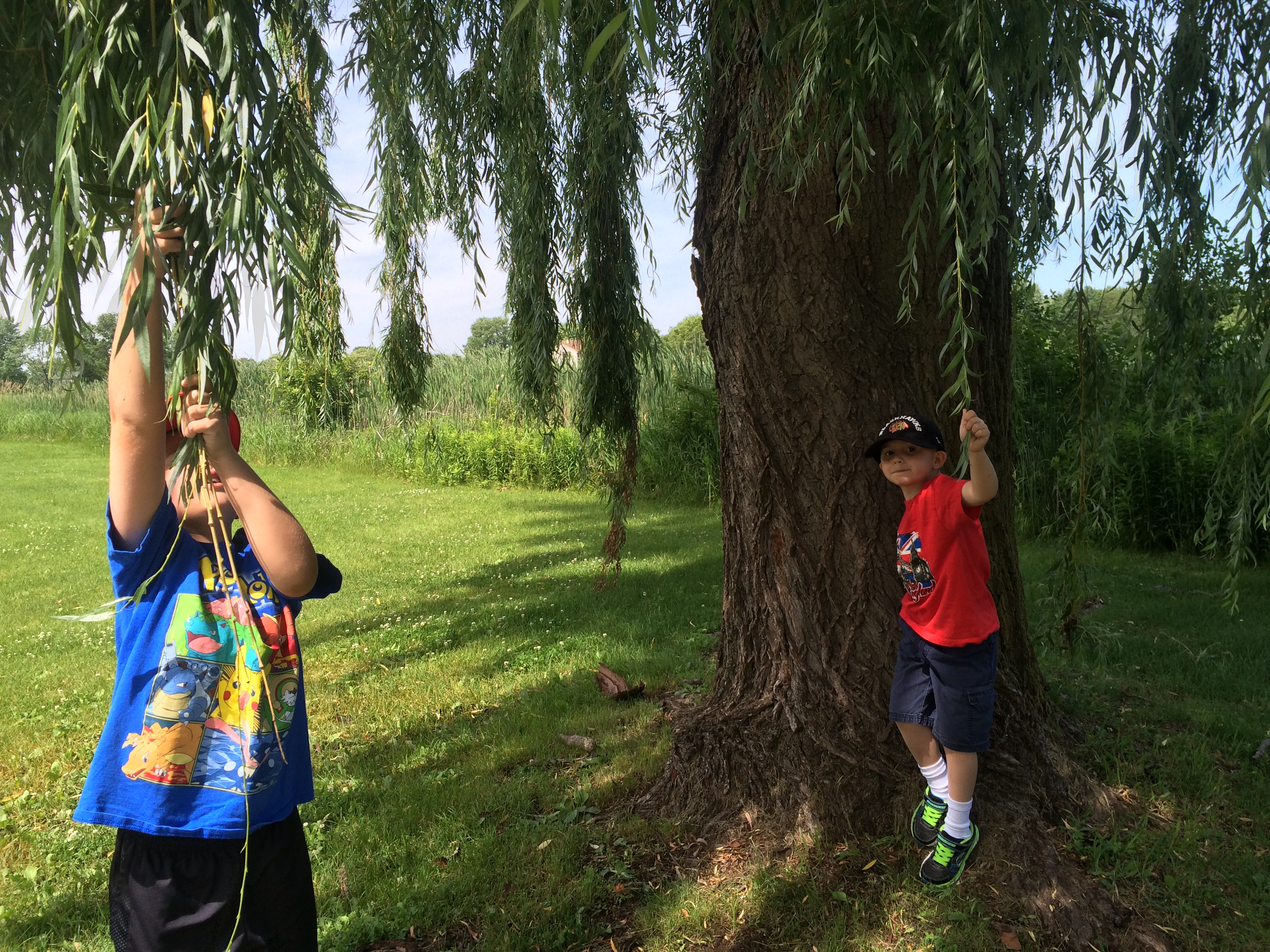
Suddenly I have the summer as a stay-at-home mom I had always wanted to have with my boys.

willow

I haven’t had to tell them “no” nearly as often. I have been able to say “yes” with just a moment’s notice, or “yes” to multiple outing in the same day. They are going to become spoiled rotten soon. I still have fibromyalgia, and still have unexplained pain. One evening I did have to tell them that I thought the water at the pool would be too cold for me, and that my muscles might cramp. They did, making it very painful to walk back to the car. But, the overwhelming fatigue is mostly gone and in a pain and fatigue disease, that is literally half the battle.

So, I haven’t written in a while because I have been finally busy just enjoying summer. And because I have suddenly become a hobbit, preparing and eating breakfast and second breakfast and elevensies and luncheon and afternoon tea and dinner and supper. I do find myself walking barefoot through the long soft summer grass more than ever before, and I have always been fairly short.